Three Burgers, a Circle of Prayer, and a Van Full of Song

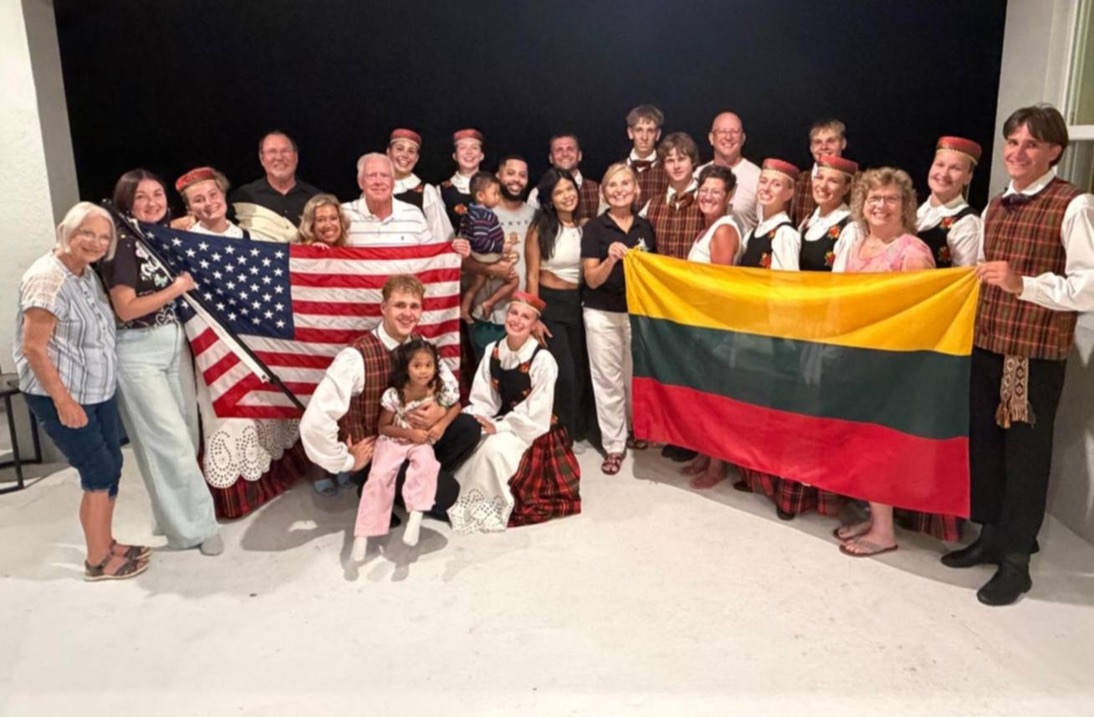
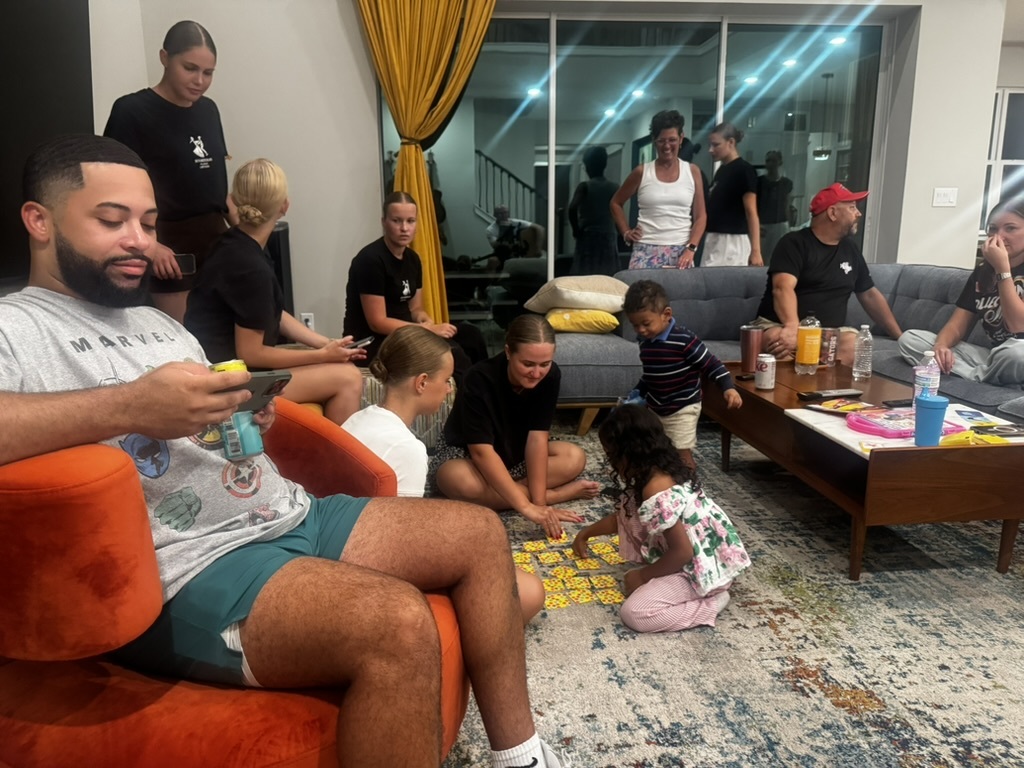
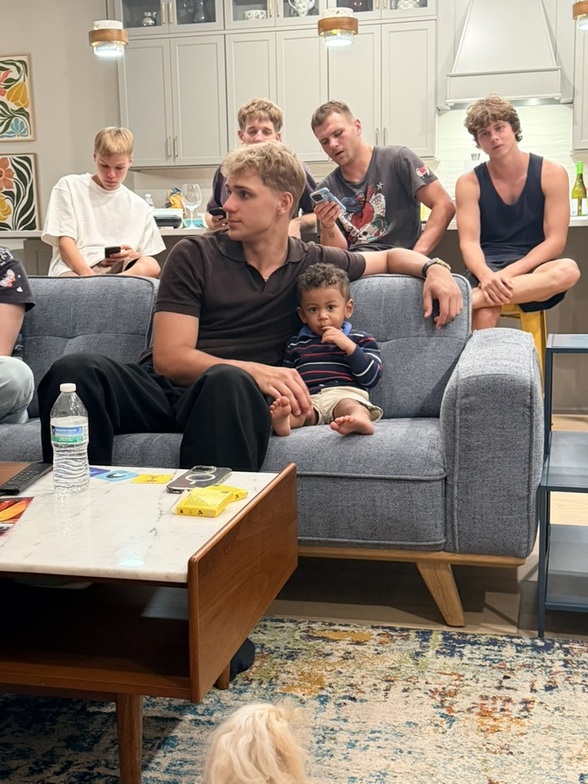
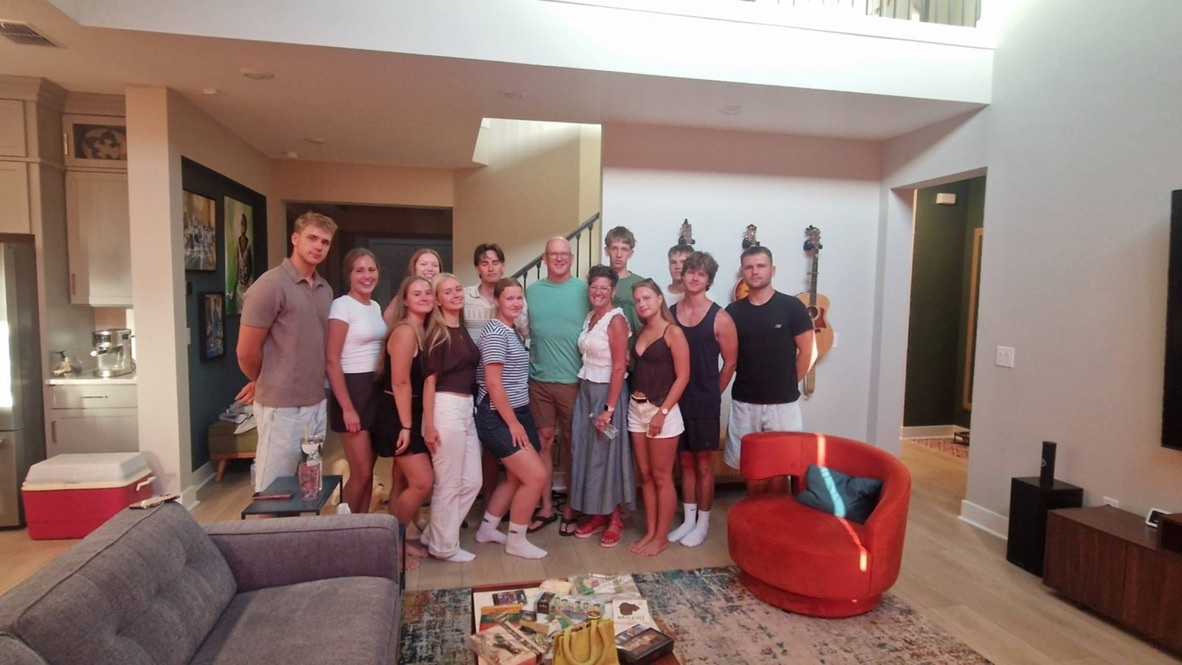
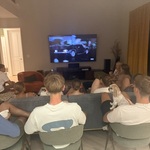
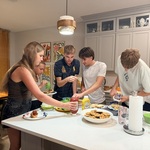
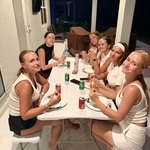

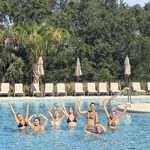

Every so often a week comes along that reminds you what the church is for. This September, Two Rivers United Methodist Church in Zephyrhills had one. We hosted Suvartukas, a youth folk dance group from Plungė, Lithuania. They were some of the most talented, kind and disciplined young people we've ever met.
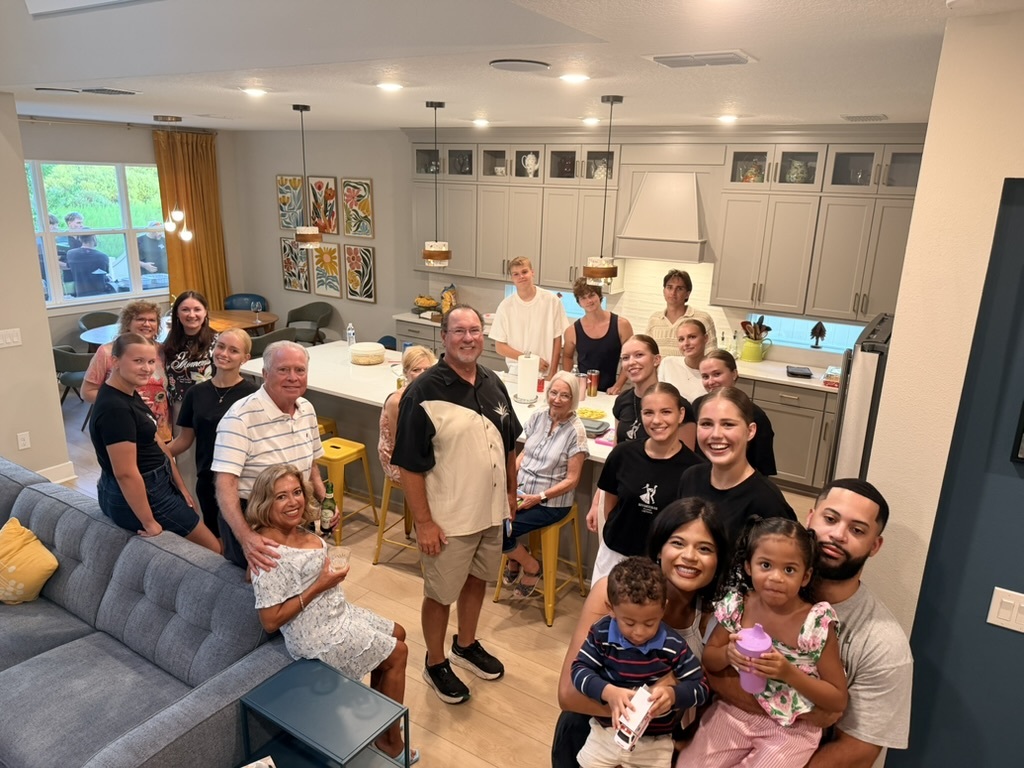
For three days we traded food, songs, stories and dances. By the end, the guests felt like family.
From Miami to Zephyrhills
The group landed in Miami on September 12. After a couple of days there, they came to Zephyrhills to spend three days around Tampa Bay with church members and friends, staying with Rev. John and Latrice Legg.
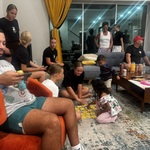
We packed in as much as we could: the beach, the Dalí Museum in St. Petersburg, Hillsborough River State Park, and the Riverwood amenities center and pool. As lovely as those places were, what we'll remember most happened around the table and in the living room.
An American Welcome: Burgers, Chili Dogs and Marco Polo
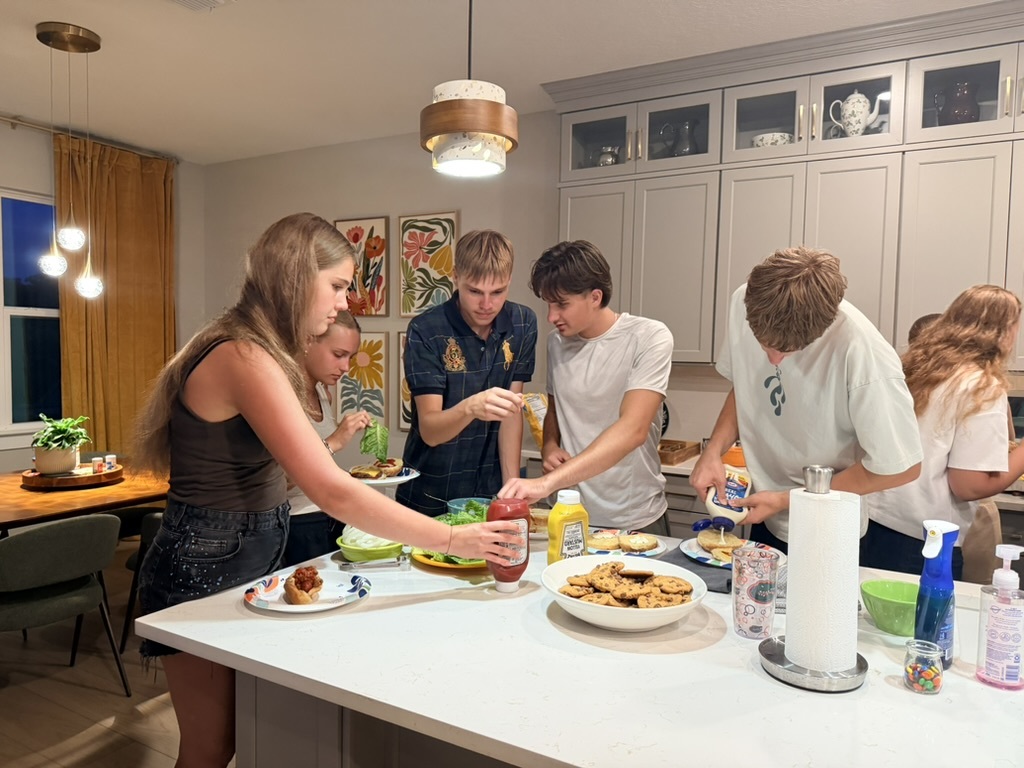
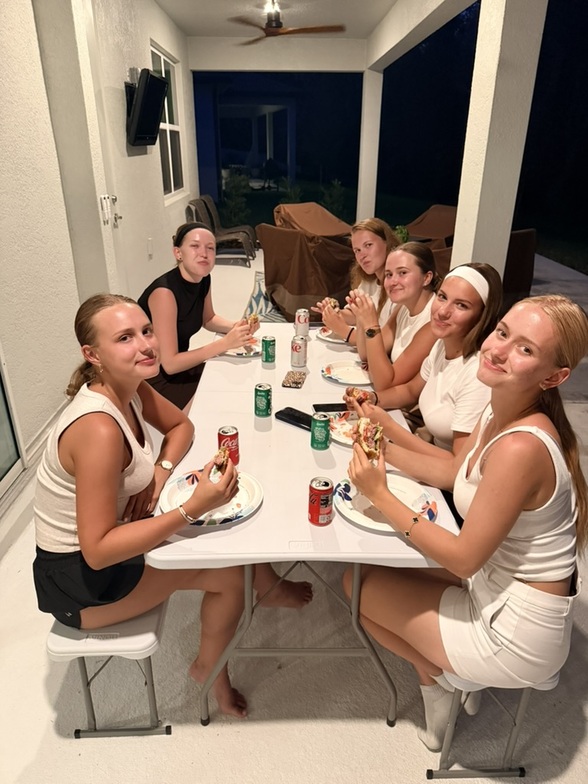
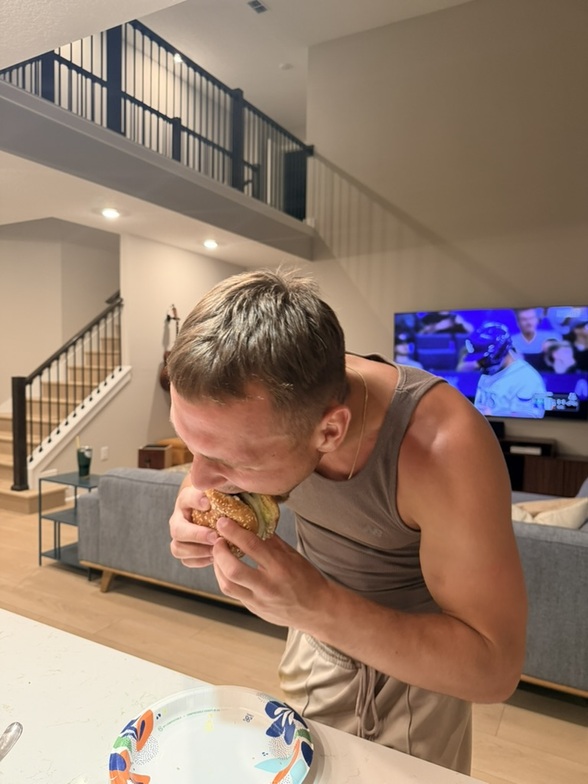
We started with a classic American cookout: hot dogs and hamburgers, with chili sauce and all the fixings. This kind of meal isn't common in Lithuania, and the dancers loved it. Dominykas had three burgers and three chili dogs, so we're sure of that. We were glad they're young and active!
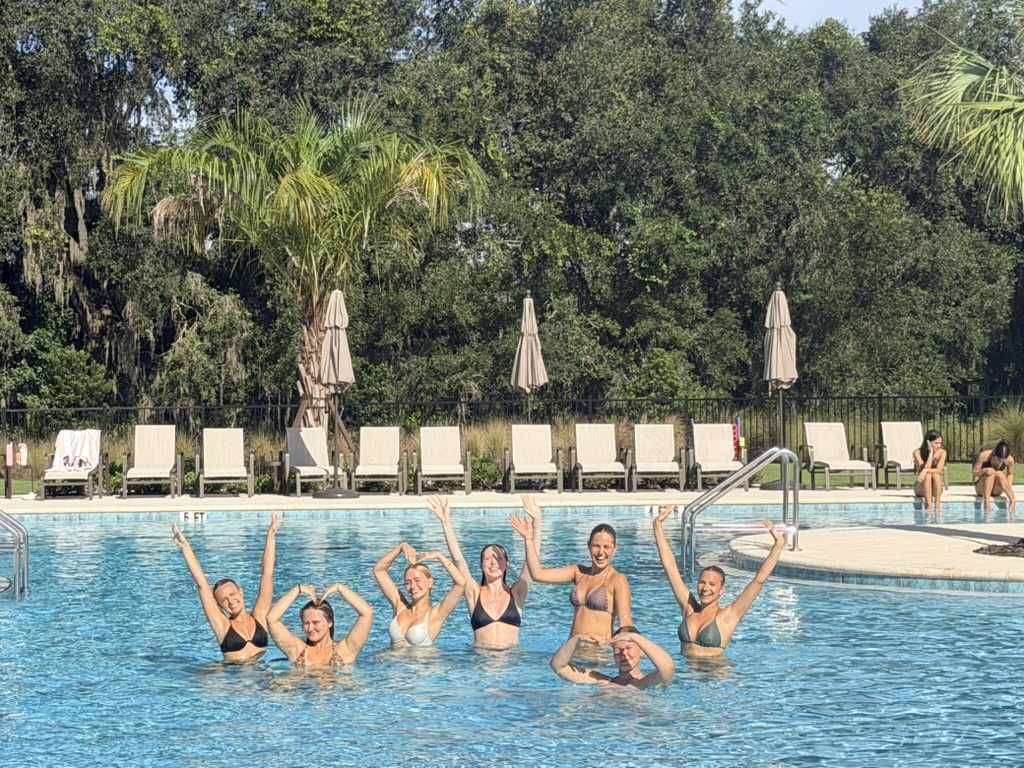
After dinner we headed to the pool and taught them Marco Polo. They knew the game but had never played it in the water the way Americans do. It took them about five minutes to catch on.
"Can We Grasp Hands?"
In the quieter times the students talked about their families and their lives back home. We learned that all of them have faith, and they were very comfortable praying before meals, which is a tradition in many Lithuanian homes.
The first time we sat down to pray, Erika volunteered to lead. She asked if we could "grasp hands," so we made a circle. She prayed in Lithuanian and closed with "Amen." Then Marta translated it into English for us.
It was a beautiful prayer of thanksgiving, friendship, grace and hope. We were a circle of people from two countries and two languages, and we were praying the same prayer.
The Singing Wouldn't Stop
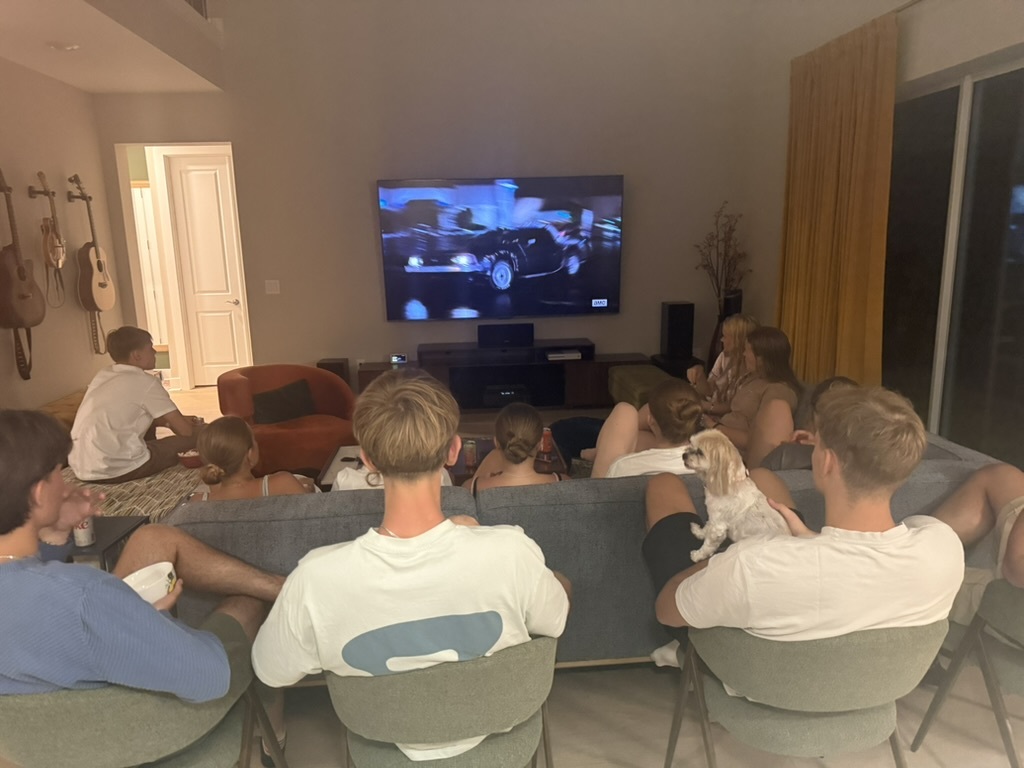
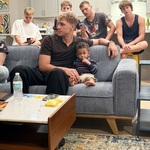
After dinner on the second night, the girls asked Pastor John to play his guitar. Everyone gathered in the living room, and the students asked for song titles so they could find the lyrics on their phones and sing along. And they sang.
Then we turned it around. We looked up Lithuanian songs they knew, and Pastor John played while they sang in their own language.
"I was able to play and enjoy their happy voices," he says.
The singing kept going. The next day they sang the whole van ride to St. Petersburg and the whole way home. That night they asked to do it all again, and we did. This time Jaylee Harper and other church members joined the music.
Meet Suvartukas: Nearly 80 Years of Dance
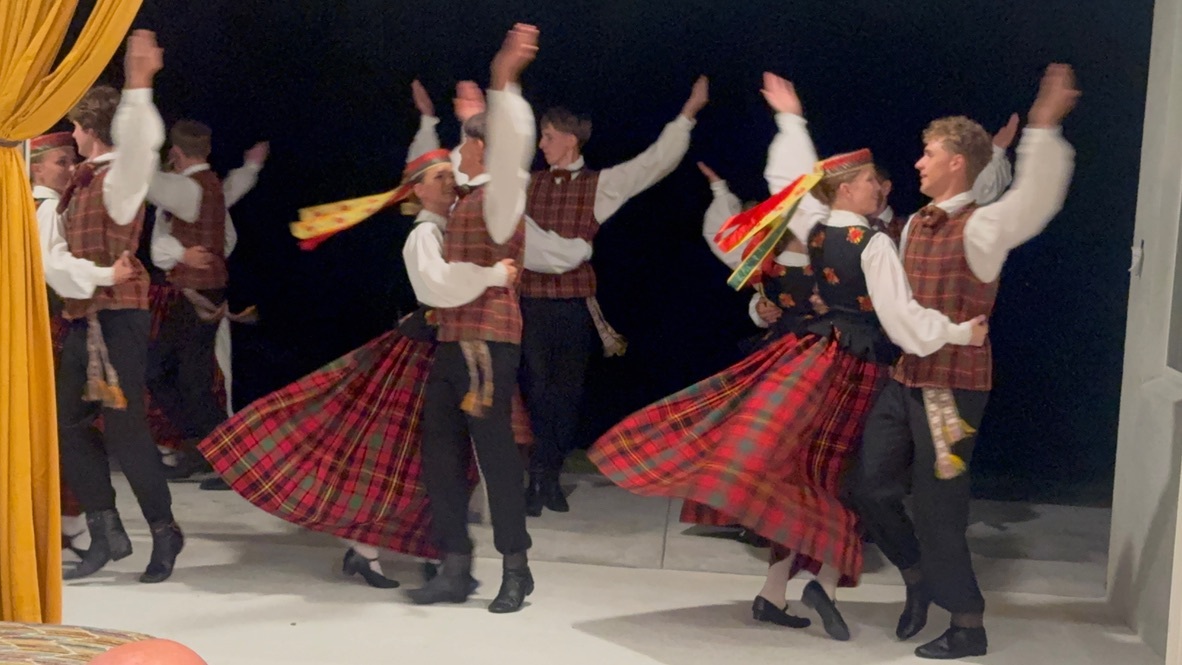
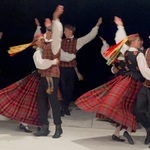
Suvartukas is the oldest folk dance group in Plungė and the surrounding region. It started in 1947, when eight girls in Lithuanian national costume first danced together. Men joined later, and today the ensemble has dancers, musicians and singers.
Their dances come from the Samogitian region of western Lithuania: clog dances, shepherds' games and all kinds of polkas. The group describes its work as "a connection between the past and the present," a way to keep Lithuanian identity alive in a globalized world. Their own website says it well: in Suvartukas's vigorous dances, "Samogitian wooden clogs resound Plungė's and Lithuania's name."
In 2000, the ensemble opened a children's and youth studio at the Plungė Cultural Centre. The goal was to give dancers a smooth path from the youngest age groups to the oldest and keep the ensemble strong for generations to come. Today the studio has close to 200 dancers aged 6 to 19. Many of them carry on traditions their parents danced before them.
The young dancers have a long list of honors. They have performed at the World Lithuanian Song Festival and at national school song festivals, and they have been prize winners at the national children's folk dance contest "Aguonėlė" in 2004, 2008, 2012, 2016 and 2019. In 2007, Lithuania's Folk Culture Centre gave Suvartukas the Golden Bird award as the country's best amateur folk group.
Since 2004 the group has also run a project called "Laisvės vaikai" ("Children of Freedom") to honor Lithuania's Independence Day.
Suvartukas is well traveled. The group has performed in more than 20 countries, including Ukraine, Kazakhstan, Greece, Turkey, Latvia, Estonia, Croatia, Poland, Germany, Spain, Australia and the United States. Many of those trips came through the same Golden Gates program that brought them to us.
The Woman Behind the Dancers
The group's artistic director and chief choreographer is Ilona Baltikauskaitė. She danced with Suvartukas for many years before earning a degree in choreography in Klaipėda in 1987. In 2000 she founded the youth studio.
Ilona has served as ballet master and choreographer for the World Lithuanian Song Festivals several times, creating the large field compositions those festivals are famous for, with hundreds of dancers moving together. She has also organized festivals of her own, including "Visi į Žemaitiją" ("Everyone to Samogitia"). She has personally received the Golden Bird award twice.
Her students told us she is strict, and they told us she is loving. After watching them for three days, we believe both.
In Their Own Words
Several dancers shared a little about themselves.
Gerda Lauciūtė, 17, has danced with Suvartukas for about 12 years, since kindergarten. She studies at Plungė's "Saulės" gymnasium, is one of the top students in her school, competes in academic olympiads and is a former NATO Youth Ambassador. She has toured with the group to Montenegro, Italy and Morocco.
"Folk dance has opened new doors for me to explore the world. It is a way of self-expression and a source of personal fulfillment. Through dancing, I have learned discipline, respectful manners, and how to build a strong social life."
Marta Slivskytė joined at age 6:
"It quickly became more than just a part of my life… Over the years, our group has become like a second family, where we support and motivate one another. Dancing has taught me discipline, teamwork, responsibility, and confidence. I am proud to represent Lithuanian culture and traditions through folk dance."
Gustas Čiuželis, 16, is the only dancer in his family of four. He started at 7 because his mother encouraged him, and he never stopped:
"It is very nice to be able to not only travel or dance, but also to spread my country's culture throughout the world. Our teacher Ilona is strict, but very supportive and loving."
Gustas Nesteckis, the group's other Gustas:
"Dancing gives me an opportunity to create worldwide friendships and visit many countries. I am very grateful to Suvartukas for giving me a chance to visit my dream destination — the USA."
Where They Come From: Plungė, Lithuania
Plungė is in northwest Lithuania, about 60 km (roughly 37 miles) from the Baltic Sea, in the Samogitian region. Its best-known landmark is the Plungė Manor, the estate of Duke Mykolas Oginskis and one of the most beautiful manor ensembles in the country. Today it houses the Žemaitija (Samogitian) Art Museum. Visitors also come for the town's belfry, the sculpture of St. Florian and the Plungė Lourdes grotto.
Nearby, the lakes around Plateliai draw people who love the outdoors, with windsurfing, rowing boats and water bikes on the lake.
Eleven Years of Open Doors
Pastor John and Latrice have hosted groups like this for more than 11 years through the Reunite Cultures Fund (RCF) and its founder and coordinator, Vitaley Bezrodnov.
"I was serving a church in Orlando that Vitaley had visited in prior years, and he asked if I would be interested in hosting a group of students from Russia," Pastor John remembers. "From personal experience as a youth director, I knew how hard it was to travel with a group of teens and find churches willing to host. I immediately agreed. It was a great decision."
Since then they have welcomed students from several regions of Russia, from Ukraine and Armenia, and now from Lithuania. "It is one of the best things we do every year."
RCF is a 501(c)(3) nonprofit founded in 2003 by members of the Lakewood–Rocky River Rotary Club in Ohio. It moved to North Carolina in 2007. In its own words, RCF "fosters international relationships by organizing cultural exchange opportunities that empower young talents to become cultural ambassadors." It has three areas of work:
- International friendship exchange trips
- The "Golden Gates" International Cultural Exchange Program
- Supporting young talent and charitable and humanitarian projects
The numbers are remarkable. Since 2003, more than 100 groups from countries including Russia, Georgia, Kazakhstan, Ukraine, Lithuania, Croatia, Morocco and Armenia have come to the U.S. to learn about America and share their own cultures. RCF has worked with more than 700 organizations, and its performers have reached more than a million people across the United States. The money raised on these tours helps children in need around the world.
Behind every one of those numbers are the living rooms, fellowship halls and swimming pools where strangers become friends. That's what host churches get to give, and it's what we got back many times over.
After Florida, Suvartukas went on to Myrtle Beach, Fayetteville, Washington, D.C., and New York City before flying home to Lithuania on September 26.
Thank You
A week like this takes a lot of people.
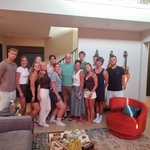
Thank you to Kim Woodard, Daria Vyshniak and Elyse for loaning air mattresses, and to everyone who came to the farewell party: Kim, Daria, Linda Nora Ann Legg, Jaylee Harper, James Harper, Tom & Sandra, and Brian & Robin.
To Ilona Baltikauskaitė: thank you for sharing your beautiful students with us.
And to Vitaley Bezrodnov: thank you for the chance to host again. It's our favorite thing we get to do. What a gift.
Ačiū, Suvartukas. You're welcome back anytime.
Learn More
- Reunite Cultures Fund: ReuniteCulturesFund.org
- Suvartukas: suvartukas.lt · Plungė Cultural Centre
- Facebook: facebook.com/RCFGoldenGates
- YouTube: RCF Golden Gates · Rotarian Blog
-
Location